
Cebu City
Cebu is a large island province near the center of the Philippine archipelago. The capital city of the province is also called Cebu City. The city's big claim to fame is that, in 1521, it's where Magellan landed in the Philippines as part of his circumnavigation of the world. It's also where he was killed, on Mactan island just opposite the city, in a battle with natives who didn't want to be converted to Christianity. Things went better in Cebu, where the cross supposedly erected by Magellan is now a city landmark.
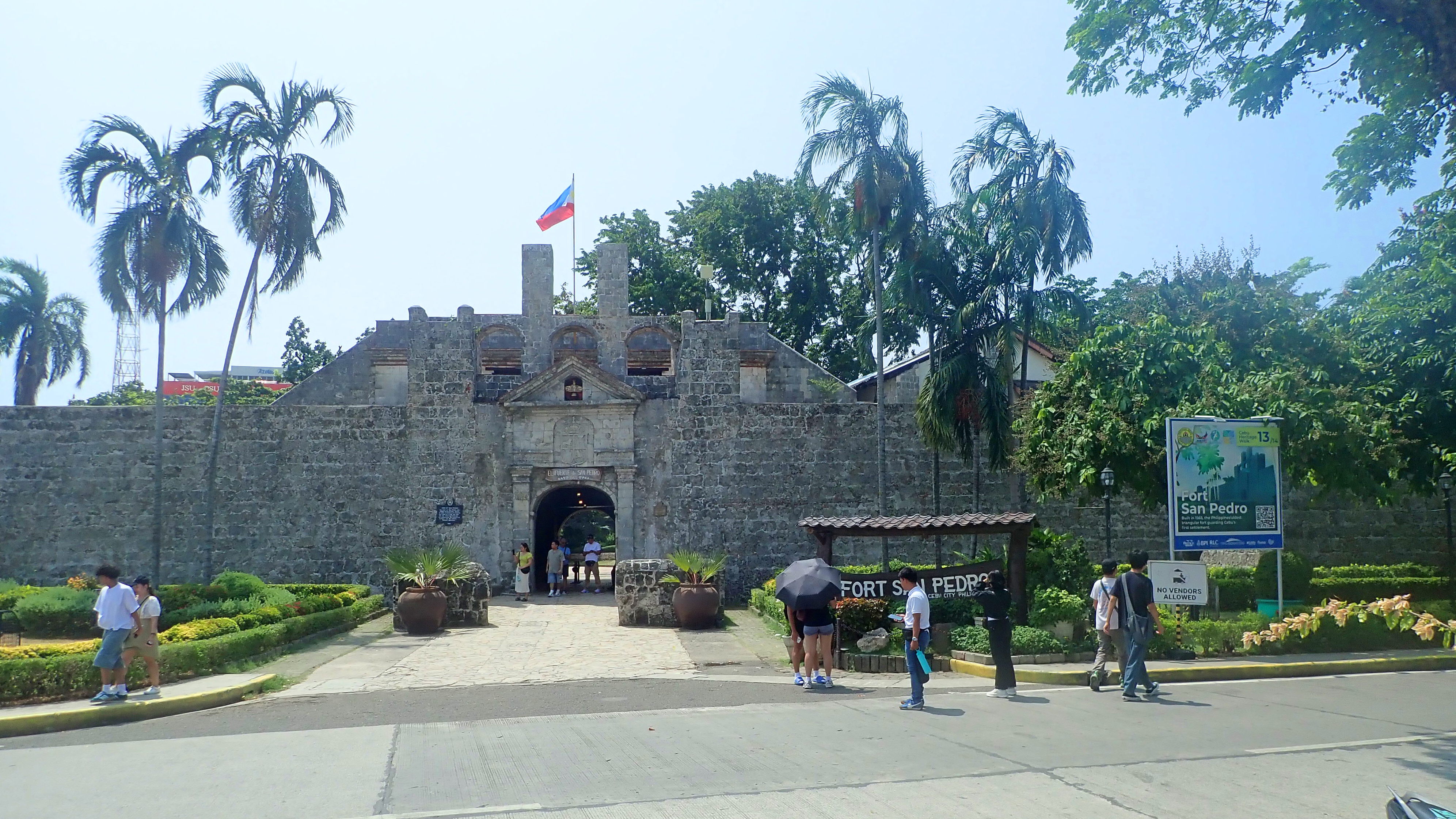
To be honest, there isn't a lot to see in Cebu itself. However, there is a lot to see and do in the area around the city, so it makes a good base for an extended stay in the area. You can take day trips to see sights on the island, and a few extended trips to Bohol and Dumaguete.
Getting There and Getting Around
Cebu's central location makes it a major transport hub for both air and sea (ferry) travel. The city's Mactan Cebu International Airport is accessible from almost any other airport in the country. There are some international flights to other Asian cities as well. You can get a ferry to or from Cebu's waterfront for most destinations around the Philippines, including as far away as Manila.
Where to Stay
Most people will want to stay on Mactan island near the airport, where there are many hotels and beach resorts to choose from. The options range from top end hotels like the Shangri-La and Dusit Thani to more mid-price options like the Mercure. If you want to stay in the city, the best area to find hotels is the Cebu Business Park area around the Ayala Mall. There are other hotels scattered around the city, including a few large casinos.
Sights
There are a few notable sights in Cebu, which has a wealth of museums as well.