
Philippines
The Philippines is an archipelago of more than 7,500 islands roughly between China and Indonesia. Waves of immigrants over 4,000 years from the mainland and other islands of Southeast Asia have given the islands a rich and diverse ethnic makeup.
The first recorded visit by a westerner was by Ferdinand Magellan, who landed in Cebu in 1521. Magellan made friends with the ruler of Cebu, whom he converted to Christianity, but was then killed in the battle of Mactan when the ruler of that island, Lapu-Lapu, rebuffed his demands to convert and pledge allegiance to the ruler of Cebu. The Spanish returned with an army from New Spain (Mexico) in 1565 and occupied the Philippines until 1898. The Americans took over a year later, followed by the Japanese during World War II.
Orientation
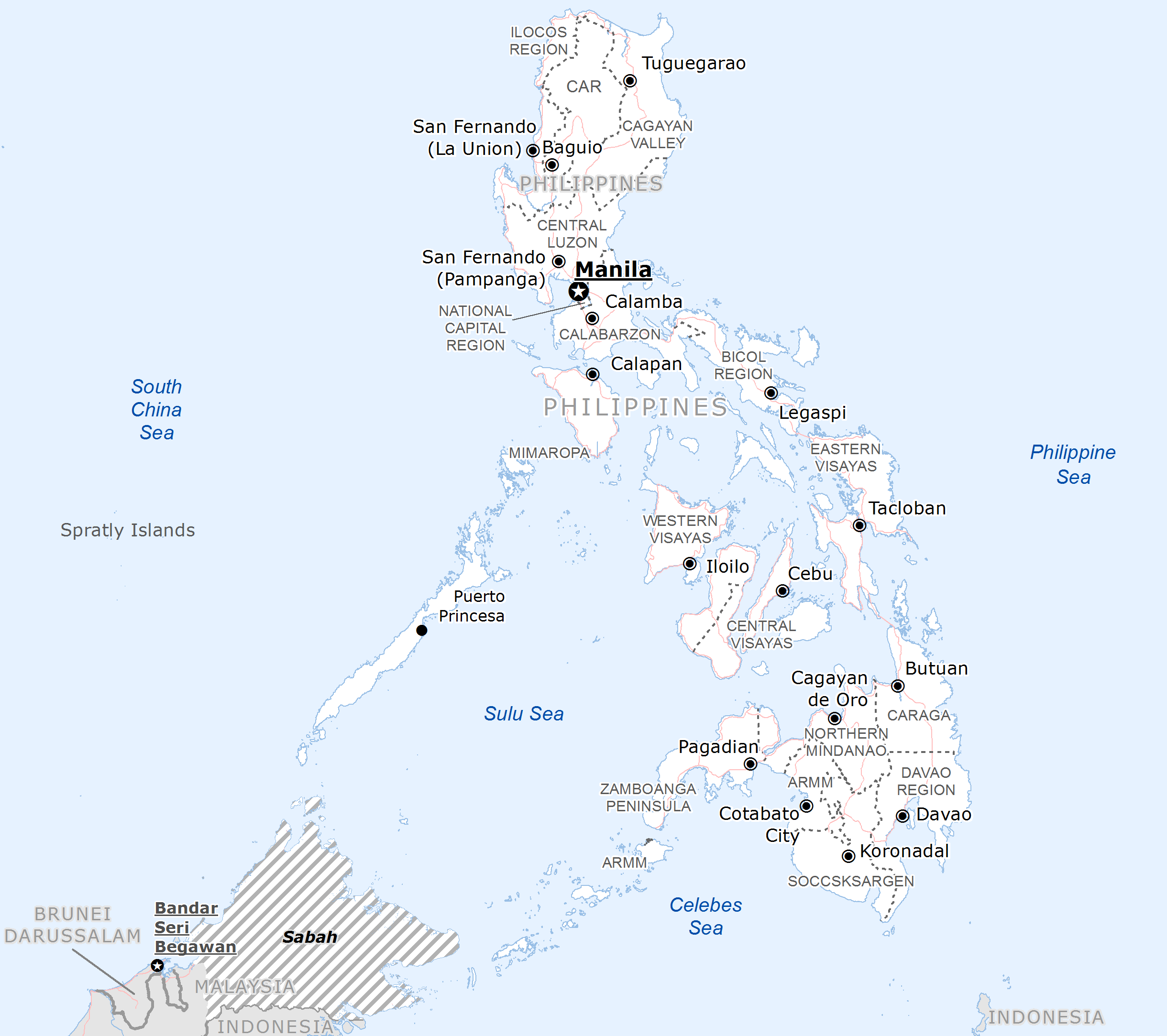
The nation's capital, Manila, is on the large northern island of Luzon and will be most peoples' entry to the country. Frankly, there is not a lot for the typical tourist to see and do in Manila. Most people will want to move on within a few days. Popular beach destinations such as Boracay and Palawan, are typically reached by a short flight from Manila, although there are ferries to make for more leisurely travel.
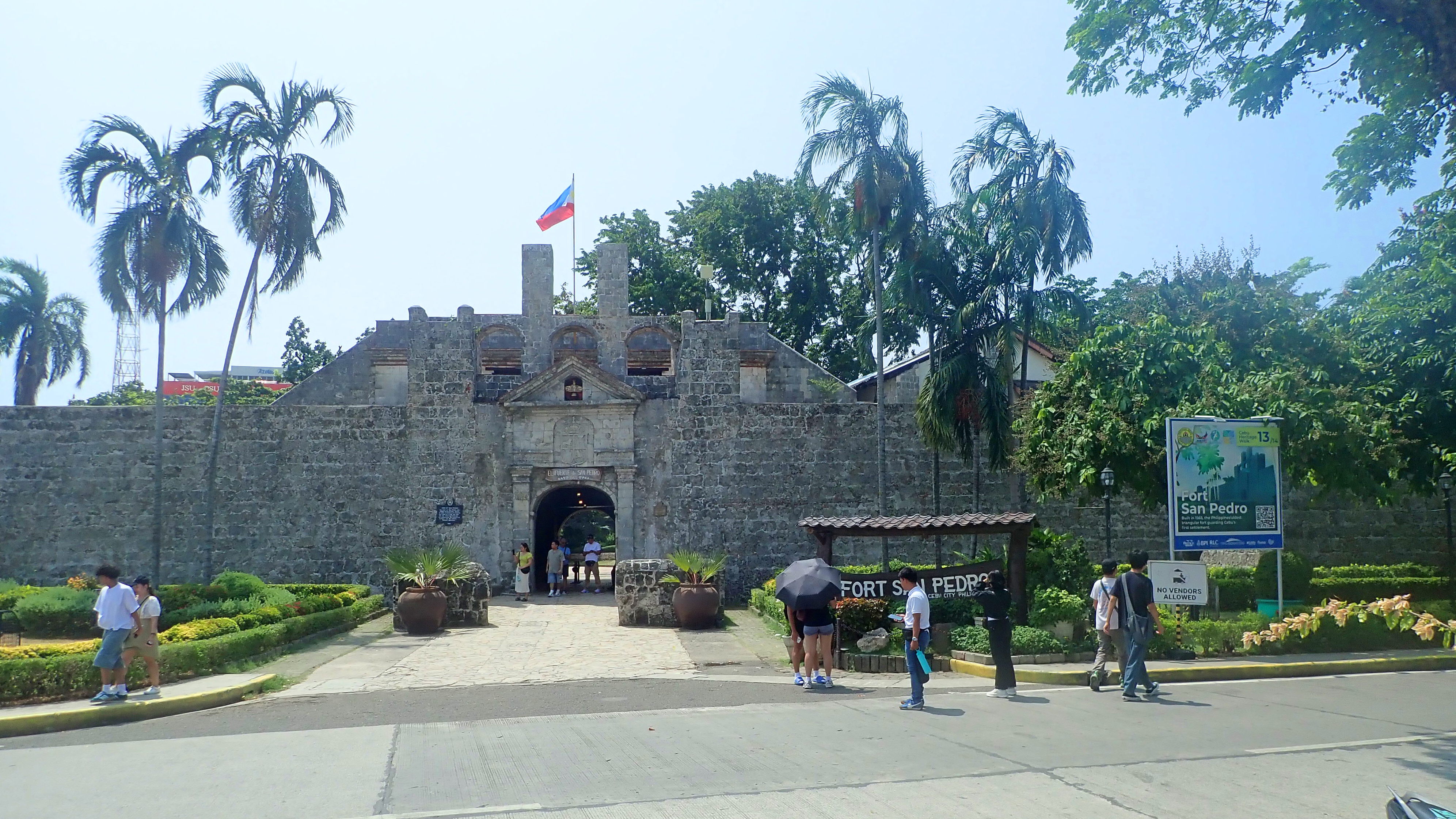
I myself have settled in Cebu to be close to some of the best scuba diving as well as other outdoor attractions in the neighborhood, such as Bohol.
Philippines Highlights
In Manila, the main attraction is the walled citadel of Intramuros and the museums in the large park just to the south of the fort. Popular beach destinations include Boaracay and Palawan. For those looking for adventure, head further south to the islands of Cebu, Bohol, or Negros, where you'll find many spectacular opportunities for snorkeling or scuba diving, as well as some beautiful scenery that includes dramatic canyons and waterfalls.